Digital marketing in 2025 is about local businesses using AI, hyper-targeted ads, short-form video, and localized SEO to reach and retain nearby customers. You can now market with more precision and automation than ever—without needing a massive budget or team.
As a local business owner, you’re competing on two fronts: online and on the street. This article walks you through how to bridge both by using affordable tools and smart strategy. From ranking in local searches to building trust with short-form content, you’ll learn how to make your marketing smarter, leaner, and more effective.
What Is Local Digital Marketing?
Local digital marketing is the use of online tools and platforms to attract customers within a specific geographic area. You’re not trying to reach the world—you’re trying to own your ZIP code. The focus is on getting found in search results like “coffee shop near me,” maintaining accurate business listings, and showing up where your customers are already spending time: social media, Google Maps, and local apps.
In 2025, these tools now come bundled with automation and AI. You can personalize ads based on browsing history, run geofenced promotions that ping nearby users, and generate ad copy with a single prompt. These capabilities make it easier to launch campaigns, track outcomes, and shift budget based on real-time data—something that was once reserved for national brands.
Why Local SEO Still Wins in 2025
If your business doesn’t appear in local search, you don’t exist to most digital-first consumers. Over 90% of local shoppers look online before visiting a store, and voice assistants like Siri or Alexa now handle a large share of those queries. This makes tools like Google Business Profile, Apple Maps listings, and local review platforms essential—not optional.
Optimizing for local search in 2025 means more than just keywords. You’ll need to focus on structured data, customer review volume, NAP consistency (Name, Address, Phone), and mobile-first design. Plus, many small businesses still overlook the growing value of Google’s AI-generated overviews. If you’re not supplying useful, structured content, your competitors will earn the answer box—and the traffic that comes with it.
How AI Can Save Time and Boost Results
You no longer need to write every ad, blog post, or video script from scratch. AI tools like ChatGPT, Jasper, and Adobe Firefly now integrate directly into small business platforms, allowing you to auto-generate visuals, content, and even reply suggestions for customer reviews. This isn’t about replacing creativity—it’s about speeding up repetitive tasks so you can focus on customer experience.
If you’re spending hours manually scheduling posts or writing ad variations, you’re wasting valuable time. Smart automation now handles that. You can set up AI-powered tools to monitor performance, shift budget toward high-performing ads, or notify you when brand mentions spike. For a business with limited staff, this is how you scale without hiring.
Short-Form Video Is No Longer Optional
Consumers don’t want to read long bios or static posts. They want quick, authentic content—especially video. Whether you’re a dentist, a boutique, or a gym owner, you need short-form video. Platforms like Instagram Reels, TikTok, and YouTube Shorts dominate attention and serve as your best shot at organic growth.
You don’t need a production team to start. Use your phone. Show your product in action, introduce your staff, or answer common customer questions. The key is relevance and frequency. Trends move fast, but consistency beats perfection. A 30-second video about a daily special can outperform a static ad by 10x in engagement and shares.
Geo-Targeting Makes Every Dollar Count
Geo-targeted advertising lets you spend your budget where it matters—right in your neighborhood. Instead of wasting dollars on broad reach, you’re serving ads only to people within walking or driving distance. This works especially well for time-sensitive campaigns, like weekend sales or new menu launches.
In 2025, geofencing also integrates with customer behavior. You can now set campaigns to run only when foot traffic is high or when weather conditions align with your offer (think: hot drinks on a rainy day). With AI-driven analytics, you’re not guessing. You’re making data-backed decisions that convert.
Customer Reviews Still Drive the Bottom Line
Even with flashy tech and AI, trust is the currency that converts. Customers still look for reviews before buying, and nothing kills conversions faster than a poor rating. Ask for reviews consistently, respond quickly to feedback, and feature top testimonials in your marketing.
Review management tools now include AI-generated summaries that allow users to see trends—good or bad—at a glance. If your reviews mention “slow service” five times, your future customers will see it before you do. Addressing concerns openly and highlighting improvements keeps your reputation strong in a competitive market.
Email and SMS: The Quiet Powerhouses
While social and video get the headlines, email and SMS remain your highest-ROI channels—if you use them right. Unlike algorithm-based platforms, your owned list guarantees reach. In 2025, personalization has gone up a notch: customers expect targeted offers based on past behavior.
You can use AI tools to draft custom messages, predict send times, and segment audiences by interest or location. Whether it’s a birthday discount or a back-in-stock alert, direct communication builds loyalty and drives repeat sales. Just make sure to get proper consent and keep your frequency under control.
Smart Metrics for Smarter Growth
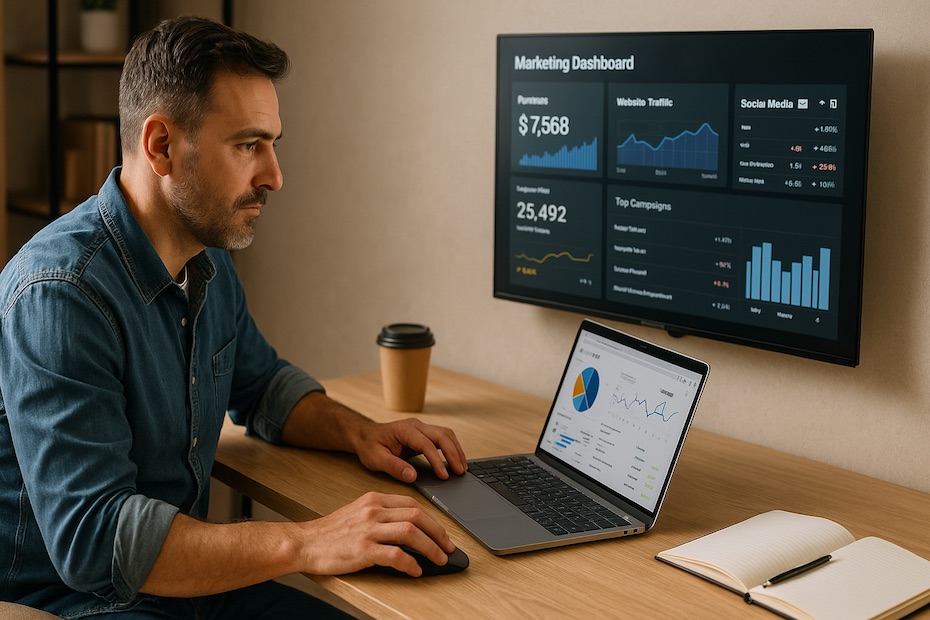
What gets measured improves—but only if you’re looking at the right numbers. Don’t get caught up in likes and views. Focus on metrics that lead to revenue: store visits, calls, booked appointments, or transactions. Tools like Google Analytics 4, Meta Business Suite, and local ad dashboards now provide cross-channel insights that help you compare what’s working.
Set weekly benchmarks, not just monthly reports. Treat every digital move like a test. If something’s not delivering after 5–7 days, pivot. The faster you move on data, the better your campaigns perform. In 2025, speed is as important as strategy.
Key Digital Moves for 2025 Local Businesses
- Prioritize Google Business Profile and local SEO
- Use AI tools to automate content and ads
- Post short-form videos weekly
- Run geo-targeted promotions with live data
- Track conversions, not just clicks
In Conclusion
In 2025, local digital marketing isn’t optional—it’s the main driver of customer discovery and retention. With AI, automation, geo-targeting, and real-time metrics now accessible to even the smallest businesses, you have every tool you need to compete. The key is consistency, relevance, and smart adaptation. If you stay focused on what your local audience actually responds to—and let the tech do the heavy lifting—you’ll grow your business faster, with less stress and more certainty.
For more insights on digital marketing strategies and business growth, explore Digital Business Resources.

Kevin Tudhope is Operations Manager at Equity Investment Mortgage with 10+ years in the mortgage industry. Founder of Tudhope Management Inc., he also leads local franchise operations in Auburn–Opelika and mentors first-time homebuyers and entrepreneurs.